Stretching and Strengthening in Valley Stream, NY
Stretching & Strengthening Exercises
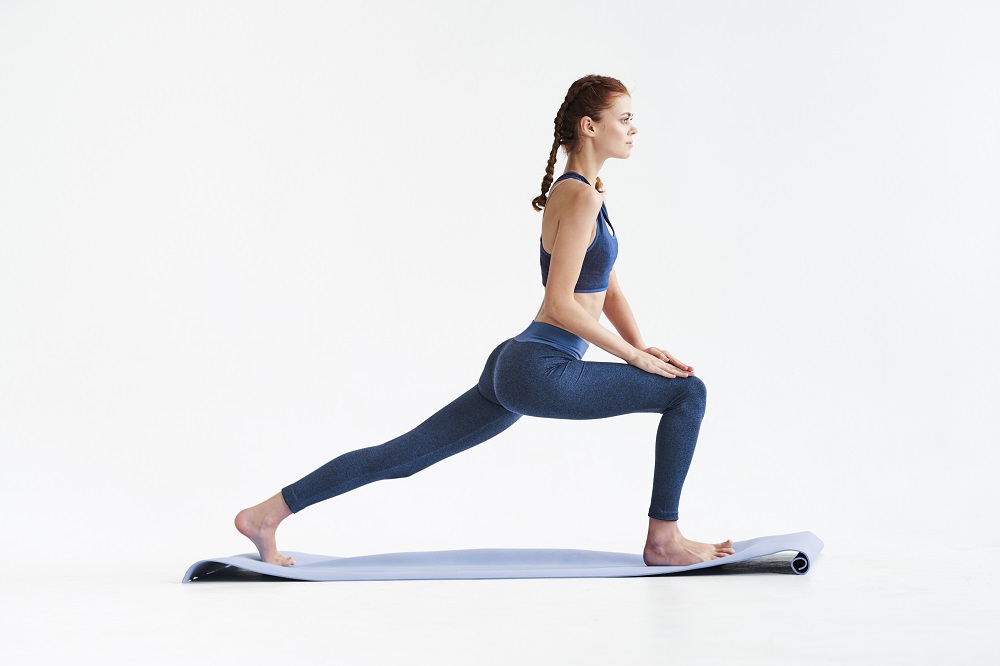
It is beneficial to gently stretch the quadriceps, hamstrings, and calf muscles to help assist optimal biomechanical functioning to the trunk and legs. Walking and riding a stationary bike are gentle exercises that will similarly assist in the recovery process.
How It Can Help
Gentle stretching
It is beneficial to gently stretch the quadriceps, hamstrings, and calf muscles.
Gentle exercise
Walking and riding a stationary bike are gentle exercises that assist in the recovery process.
Why Flexible, Strong Muscles Support Recovery
Tight muscles in the legs can pull on the pelvis and lower back, changing how you stand, walk and bend. Weak muscles leave joints with less support, so other areas end up working harder. Both can contribute to pain and slow your recovery from an injury. Stretching helps restore flexibility, while strengthening builds the support your spine and joints need to stay comfortable during daily activities. Together, they help your body move more efficiently, so no single area has to carry too much of the load during walking, bending or lifting.
Simple, consistent exercise is one of the most reliable ways to support long-term spinal and joint health. You do not need a gym or special equipment to get started. Gentle stretches and low-impact movement such as walking or riding a stationary bike are often enough at first. Your chiropractor will choose exercises that fit your condition and fitness level, then build on them as you improve. Done regularly, these exercises can help you hold on to the progress you make in the office. Even a few minutes a day can make a difference.
What to Expect From Stretching and Strengthening Exercises
Your chiropractor will look at your flexibility, strength and posture, then show you a short set of exercises suited to your needs. Each exercise is demonstrated, and you will practice it so you can do it correctly on your own. You may get written instructions or pictures to take home. Expect to start with gentle movements and only a few repetitions, especially if you are in pain or have not exercised in a while. Bring questions about anything that feels unclear, since good form matters more than how many repetitions you do.
Stretches should feel like a mild, comfortable pull, never sharp pain. Hold each one steadily rather than bouncing. Strengthening exercises may cause mild muscle tiredness or soreness the next day, which is normal. As your body adapts, your chiropractor will add repetitions or new exercises. Stop and let them know if any exercise causes sharp pain, numbness or tingling, or pain that spreads down your leg. It also helps to set a regular time for your exercises, such as after a morning shower or before bed, so they become part of your routine.
New to the office? Read what to expect at your first visit, or book online.
Frequently Asked Questions
Which muscles should I stretch?
It is beneficial to gently stretch the quadriceps, hamstrings, and calf muscles to help assist optimal biomechanical functioning to the trunk and legs.
How long should I hold each stretch?
A common guideline is to hold a gentle stretch for about 20 to 30 seconds and repeat it two or three times. Breathe slowly and avoid bouncing, which can strain the muscle. The stretch should feel like a mild pull, not pain. Your chiropractor may adjust the timing based on your condition and how your body responds.
How often should I do my exercises?
Many home programs are done daily or most days of the week, but it depends on the exercises and your condition. Stretches are often fine every day, while strengthening exercises may be spaced out to give muscles time to recover. Consistency matters more than intensity. Your chiropractor will give you a schedule that fits your plan.
Is it normal to feel sore after exercising?
Mild muscle soreness a day or two after new exercises is common and usually fades as your body adjusts. Sharp pain, pain that keeps getting worse, or numbness and tingling are not normal. If you notice these, stop the exercise and let your chiropractor know so your program can be changed.
Why are walking and stationary cycling recommended?
Walking and riding a stationary bike are low-impact ways to keep moving without putting heavy stress on your joints. They help maintain circulation, keep muscles active and support recovery. You can easily control the pace and time, starting small and building up as you feel better. Your chiropractor can help you set a good starting point.
Terms You May Hear
- Hamstrings
- The muscles along the back of the thigh. When tight, they can pull on the pelvis and add strain to the lower back.
- Quadriceps
- The large muscles on the front of the thigh. They straighten the knee and help support the hips and legs.
- Biomechanics
- How the body's bones, joints and muscles work together to create movement. Good biomechanics help reduce strain and injury.
Related Services
Rehabilitation
Our rehabilitation program includes strength, flexibility and agility training, plus training focused on coordination, to prepare you to return to full participation.
Learn MorePhysical Therapy
Physical therapy uses stretches and exercises to help with ongoing pain and range-of-motion issues after an accident, injury, or medical condition.
Learn More
Schedule a Consultation Today
We will do our best to accommodate your busy schedule.