Spinal Decompression in Valley Stream, NY
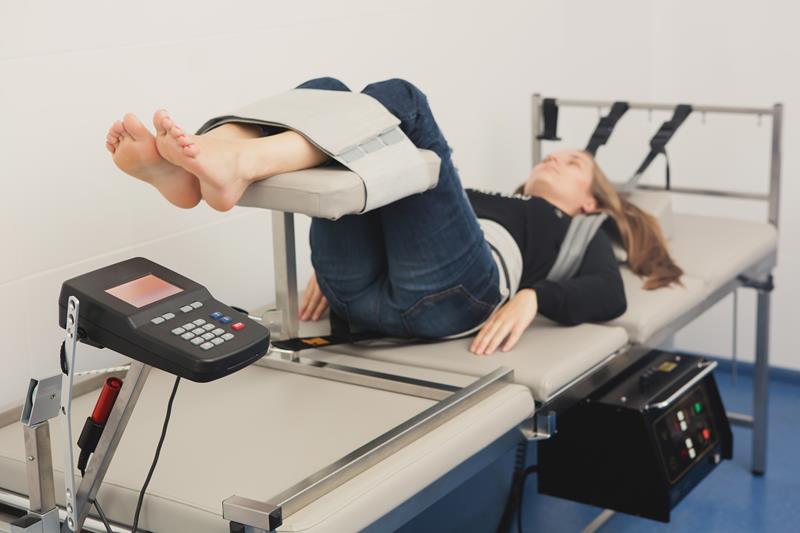
Spinal decompression is a non-invasive mechanical procedure performed within our office to help alleviate back pain. It involves gently stretching the spine to take pressure off the spinal discs (the cushions that separate the vertebrae in the spine). By relieving this pressure, bulging discs can retract back into place which takes pressure off the nerves in the spine. By decompressing the spine, it permits water, oxygen and other fluids to work their way back into the discs allowing them to heal naturally. Spinal decompression is an excellent option for anyone with chronic back pain who wants to get back to living a pain-free life as quickly as possible.
How It Can Help
Non-invasive
Spinal decompression is a non-invasive mechanical procedure performed within our office.
Pressure off the discs
Gently stretching the spine takes pressure off the spinal discs and the nerves in the spine.
Natural healing
Decompressing the spine permits water, oxygen and other fluids to work their way back into the discs.
Why Disc Pressure Can Cause Lasting Back Pain
Spinal discs act like cushions between the vertebrae. Over time, or after an injury, a disc can bulge or wear down and press on nearby nerves. This may cause back pain that lingers or pain, tingling or numbness that travels into the legs. Everyday activities such as sitting, lifting and bending can keep adding load to an irritated disc, which makes it hard for symptoms to settle. Over time, people may start avoiding activities they enjoy, which can lead to weaker muscles and more stiffness. Easing disc pressure is one way to try to break that cycle.
Spinal decompression aims to take some of that pressure off by gently stretching the spine in a controlled way. For some people with chronic back pain, disc bulges or sciatica, it offers a non-surgical option to try. Research on decompression shows mixed results, and it does not work for everyone. It tends to be most useful as part of a plan that also builds strength and improves posture. Your chiropractor will explain whether you are a good candidate based on your history and exam. You will also hear what results are realistic for your case.
What to Expect From Spinal Decompression
Before starting, your chiropractor will review your history and examine your back. If needed, imaging may be recommended to better understand your disc or nerve problem. Decompression is not right for everyone. It is usually avoided with fractures, tumors, advanced osteoporosis, spinal infections, pregnancy and some types of spinal surgery with hardware. Be sure to share any of these with your chiropractor before treatment. Your chiropractor will also explain how the treatment works, how it may feel and what you can do at home to support it. Feel free to ask questions before you decide whether to begin.
During a session, you lie on a treatment table while a harness is fitted around your hips or torso. The system then applies a slow, controlled pulling force, followed by periods of relaxation. You should feel a gentle stretch, not pain. Sessions are usually short, and many people find them relaxing. Afterward, you may be advised to stay active but avoid heavy lifting for a while. Seek urgent medical care for new leg weakness, groin numbness or loss of bladder or bowel control. These symptoms are rare but need prompt evaluation.
New to the office? Read what to expect at your first visit, or book online.
Frequently Asked Questions
How does spinal decompression work?
It involves gently stretching the spine to take pressure off the spinal discs, the cushions that separate the vertebrae in the spine. By relieving this pressure, bulging discs can retract back into place, which takes pressure off the nerves in the spine.
Who is spinal decompression for?
Spinal decompression is an option for anyone with chronic back pain who wants to get back to living a pain-free life as quickly as possible.
Does spinal decompression hurt?
Most people find spinal decompression comfortable. You should feel a gentle pulling or stretching sensation in your back, and some patients relax enough to nearly fall asleep. If you feel sharp pain or your symptoms get worse during the session, tell your chiropractor right away so the settings can be adjusted or the session stopped.
Who should not have spinal decompression?
Decompression is generally not recommended for people with spinal fractures, tumors, severe osteoporosis, spinal infections or certain types of spinal surgery with implanted hardware. It is also usually avoided during pregnancy. Your chiropractor will review your history and exam findings to make sure the treatment is safe before recommending it.
What can I do between sessions to help?
Staying gently active, such as walking, often helps more than resting in bed. Your chiropractor may give you exercises to strengthen your core and improve posture, along with tips for sitting, sleeping and lifting. Avoiding heavy lifting and long periods of bending can also give an irritated disc a better chance to settle.
Terms You May Hear
- Intervertebral disc
- The cushion between two vertebrae, with a tough outer ring and a softer, gel-like center. Discs absorb shock and allow the spine to bend.
- Bulging disc
- A disc that extends beyond its normal space, which can press on nearby nerves. It is a common cause of back and leg pain.
- Nerve root
- The part of a nerve where it branches off the spinal cord and exits the spine. Pressure on a nerve root can cause pain, numbness or weakness in the arms or legs.
Related Services
Back Pain FAQs
Answers to the most frequently asked questions about back pain: causes, warning signs, prevention, treatment, and recovery time.
Learn MoreSpinal Manipulation & Adjustment
Chiropractic adjustments at Valley Stream Chiropractic address vertebrae that are not moving or functioning properly, to reduce pain and improve range of motion and mobility.
Learn MoreFlexion-Distraction Lumbar Decompression Therapy
Flexion-distraction lumbar decompression therapy at Valley Stream Chiropractic. Coming soon.
Learn More
Schedule a Consultation Today
We will do our best to accommodate your busy schedule.