Massage Therapy in Valley Stream, NY
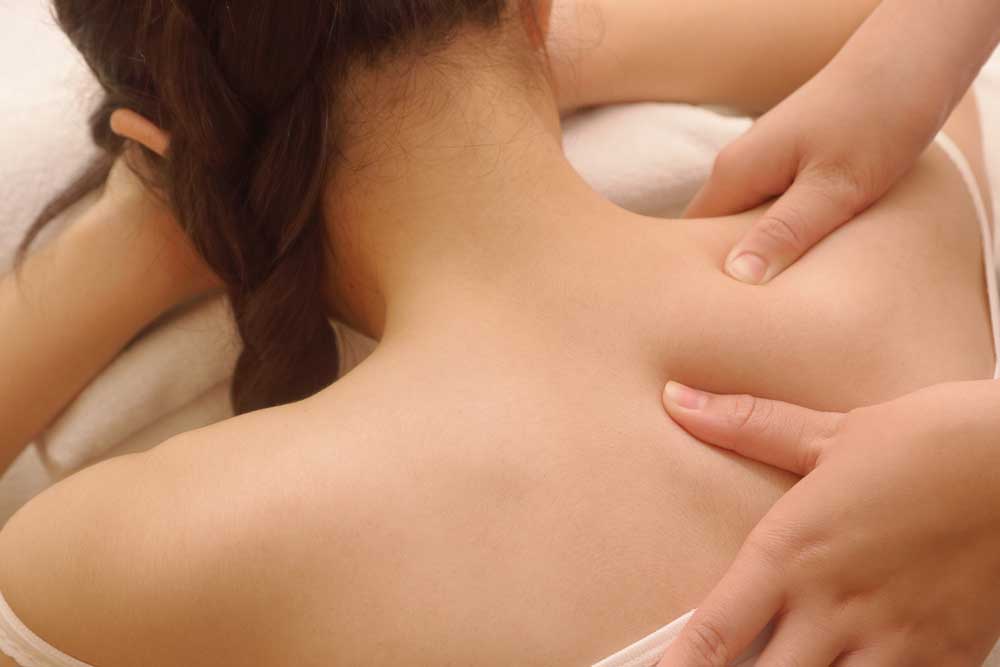
Massage therapy is the manual manipulation of soft body tissues (muscle, connective tissue, tendons and ligaments) to enhance a person’s health and well-being. There are many types of massage therapy methods (also called modalities). People seek massage therapy for a variety of reasons; for example, to reduce stress and anxiety, to relax muscles, to rehabilitate injuries, to reduce pain and to promote overall health and wellness.
How It Can Help
Reduce stress
People seek massage therapy to reduce stress and anxiety.
Relax muscles
Massage is used to relax muscles and to reduce pain.
Rehabilitate injuries
It is also used to rehabilitate injuries and to promote overall health and wellness.
Why Tight Muscles Deserve Attention
Muscles respond to injury, stress and long hours in one position by tightening up. In the short term, that guarding can protect an injured area. When it lingers, it can limit movement, pull joints out of comfortable positions and cause aches in the neck, shoulders and back. Tension headaches and stiffness after desk work are common examples. Many people also carry emotional stress as physical tension without realizing it. Left alone, that tension can affect sleep and mood, which in turn can make pain feel worse. Addressing tight muscles is one way to help break that pattern.
Massage therapy uses hands-on pressure and movement to help muscles relax and improve how the soft tissues glide. Research suggests massage can help with short-term relief of some types of muscle pain and stress, though results vary. When combined with chiropractic care, massage can make it easier to move freely and may help adjustments feel more comfortable. It is best seen as one part of a plan that also includes exercise and healthy daily habits. Many people find that regular sessions help them notice and release tension before it builds into pain.
What to Expect From Massage Therapy
Before your massage, you will be asked about your pain, recent injuries, medical conditions and what you hope to get from the session. This helps the provider choose the right techniques and pressure. You will have privacy to get comfortable on the table and will be covered with a sheet, with only the area being worked on uncovered. Communication is encouraged, so let the provider know if the pressure is too light or too firm. You are always in control of the session, and you can ask to skip any area or stop at any time.
Techniques may range from long, gliding strokes to deeper, focused work on knots and tight spots. Some areas may feel tender, but it should not be painful. After the session, many people feel relaxed and looser. Mild soreness for a day or two is possible, especially after deeper work. Drinking water and gentle movement can help. Tell your provider beforehand if you have a blood clotting disorder, recent surgery, skin conditions or are pregnant. These details help your provider choose safe techniques and adjust the pressure to your needs.
New to the office? Read what to expect at your first visit, or book online.
Frequently Asked Questions
What is massage therapy?
Massage therapy is the manual manipulation of soft body tissues (muscle, connective tissue, tendons and ligaments) to enhance a person’s health and well-being. There are many types of massage therapy methods, also called modalities.
How is therapeutic massage different from a spa massage?
A spa massage is usually focused on general relaxation. Therapeutic massage in a chiropractic setting is often aimed at a specific problem, such as a strained muscle, neck pain after an accident or tension linked to posture. The techniques and pressure are chosen based on your condition, and the massage may be coordinated with your other treatment.
Will a massage hurt?
Massage may feel intense when working on tight or tender areas, but it should not be truly painful. A good rule is that pressure should feel like a strong, relieving sensation rather than sharp pain. You can ask for lighter or firmer pressure at any time. Some soreness the next day can happen, especially after deeper work, and usually fades quickly.
Is massage safe for everyone?
Massage is generally safe, but some situations need caution or a different approach. These include blood clots, bleeding disorders or blood thinners, recent surgery or fractures, certain skin conditions, cancer treatment and pregnancy. Tell your provider about your health history so the massage can be adjusted or postponed if needed.
How should I prepare for a massage?
Try to eat lightly beforehand, arrive a few minutes early and wear comfortable clothing. Think about which areas bother you most and what makes them worse, so you can share that at the start. Drinking water before and after can help you feel your best. If you are sore after the session, gentle walking and stretching are often helpful.
Terms You May Hear
- Modality
- A specific type or method of treatment. In massage, examples include Swedish, deep tissue and trigger point techniques.
- Deep tissue massage
- Massage that uses slower, firmer pressure to reach deeper layers of muscle and connective tissue.
- Muscle knot
- A tight, tender spot in a muscle that may feel like a small lump. It can cause local pain or pain felt in nearby areas.
Related Services
Trigger Point Therapy
Trigger point therapy is a specialized form of massage that targets the areas where muscle tension and knots develop. Dr. Green uses it alone or as part of a chiropractic care plan.
Learn MoreMyofascial Release
Myofascial release applies gentle or moderate pressure to the connective tissues to alleviate pain and restrictive tissue problems.
Learn MoreWhiplash
Whiplash is a common car accident injury. Valley Stream Chiropractic helps treat it with chiropractic adjustments, massage therapy, exercises, and lifestyle advice.
Learn More
Schedule a Consultation Today
We will do our best to accommodate your busy schedule.